When most or all of the teeth in an upper or lower arch are missing or no longer maintainable, replacing them one at a time is not always the most practical approach. All-on-X implants uses a strategically planned group of dental implants to support a full-arch restoration, creating a fixed foundation for an entire row of replacement teeth.
The “X” in All-on-X reflects the fact that the number of implants is determined by the needs of the case rather than by one fixed formula. Some patients may be treated with four implants, while others may require a different number based on available bone, bite forces, anatomy and the design of the final restoration. Our dentist will evaluate those factors carefully before recommending a full-arch implant plan.
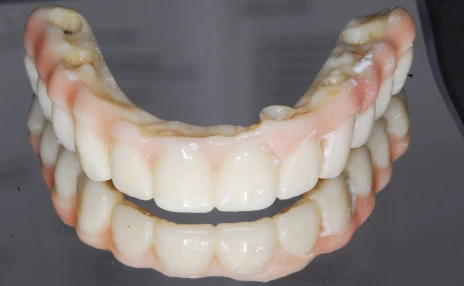
How All-on-X Treatment Replaces a Full Arch
All-on-X treatment begins with placing implants in selected areas of the jaw where they can provide stable support for a full-arch prosthesis. Instead of placing one implant for every missing tooth, the implants work together as a foundation for the replacement teeth above them.
The implants are planned around the final restoration so the position, bite and appearance of the prosthesis can all be considered before treatment begins. Depending on the condition of the mouth and the stability achieved at implant placement, a temporary restoration may sometimes be attached early in the treatment process. Final restoration timing depends on healing and the individual treatment plan.
Planning the Implant Positions Before Surgery
Precise planning matters because implant position affects how well the final restoration fits, functions and distributes biting forces. Our dentist may use three-dimensional imaging to evaluate available bone, anatomical structures and potential implant locations before treatment begins.
Dr. Anil Dwivedi has placed more than 1,000 dental implants, completed more than 1,000 implant restorations and has more than 500 hours of continuing education in implant dentistry. That experience supports comprehensive planning that considers both implant placement and the restorative result.
Who May Be a Candidate for All-on-X Implants?
All-on-X may be considered when you are missing all or nearly all of the teeth in an arch, already wear a complete denture, or have multiple failing teeth that are expected to require removal. The health of your gums, available bone, overall medical history and ability to maintain the restoration all influence whether this approach is appropriate.
Our dentist may also evaluate factors such as smoking, medications, uncontrolled oral disease and bite forces because they can affect healing or long-term implant stability. If additional treatment is needed before implant placement, those steps will be discussed as part of the overall plan.
How All-on-X Differs From a Traditional Denture
A traditional complete denture rests primarily on the gums and underlying tissues. All-on-X uses implants within the jaw to support the replacement teeth, creating a more stable connection and reducing the movement often associated with conventional removable dentures.
This approach is closely related to implant-supported dentures, but the exact design of the prosthesis and how it attaches to the implants can vary. Our dentist will explain the available options and how each approach differs in stability, maintenance and daily care.
Potential Benefits of Full-Arch Implant Treatment
For the right candidate, All-on-X can provide a stable way to replace an entire arch of teeth while using fewer implants than placing one implant for every missing tooth. The treatment is designed to restore both appearance and function while creating a prosthesis supported by implants rather than by the gums alone.
Potential benefits may include:
- Replacement of an entire arch with a limited number of strategically placed implants
- Greater stability than a conventional removable denture
- A fixed or securely retained full-arch restoration
- Improved confidence when eating and speaking
- A customized prosthesis designed around your bite and facial appearance
- Reduced dependence on denture adhesive
- Potential for an early temporary restoration in selected cases
Not every patient will experience the same treatment timeline or require the same number of implants. Our dentist will base recommendations on your specific anatomy and restorative needs.
Can All-on-X Reduce the Need for Bone Grafting?
One advantage of full-arch implant planning is that implants can sometimes be positioned to make use of the strongest available areas of bone. This may reduce the need for extensive grafting in certain cases, but it does not eliminate grafting for every patient.
Your bone volume and anatomy need to be evaluated individually. If the available bone does not provide adequate support for the planned implants, our dentist will explain whether grafting, another implant configuration or a different treatment approach should be considered.
What to Expect During the Treatment Process
The first phase involves examination, imaging and restorative planning so the surgical and prosthetic portions of treatment can be coordinated. If teeth need to be removed, that may be incorporated into the treatment sequence depending on the case.
The implants are then placed in the planned positions. Healing time allows the bone to integrate around the implant surfaces and create a stable foundation. If the implants meet the requirements for an early temporary restoration, that possibility will be discussed before surgery. Otherwise, a different temporary solution may be used while healing progresses.
Once the implants are ready for the final prosthesis, the restoration is designed, fitted and adjusted for comfort, function and appearance.
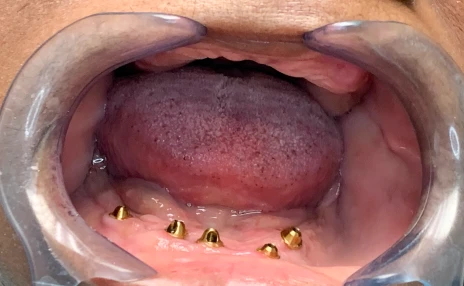
Designing the Final Full-Arch Restoration
The implant surgery is only one part of All-on-X treatment. The final teeth need to be designed so they function comfortably, fit the implants accurately and complement your facial proportions.
Our dentist will evaluate the bite, tooth shape, smile line and restorative space while planning the prosthesis. Digital records may also be used to help coordinate the restorative design with the position of the implants.
The goal is to create replacement teeth that look natural while providing the strength and stability needed for everyday function.
Living With All-on-X Replacement Teeth
A full-arch implant restoration can feel more secure than a traditional denture because it receives support from the implants rather than depending entirely on the gums. You may still need time to adjust to the new bite, tooth shape and way the restoration feels during speaking and chewing.
Our team will give you instructions about diet, cleaning and activity during each stage of treatment. Following those instructions is especially important during the healing period, when the implants are integrating with the surrounding bone.
Caring for All-on-X Implants
All-on-X teeth do not develop cavities, but the tissues and implants beneath the restoration still require consistent cleaning. Plaque can collect around implant connections and along the gumline, so daily care is essential for protecting the surrounding tissues.
Your home-care routine may include specialized brushes, flossing aids or other tools that allow you to clean beneath and around the prosthesis. Regular maintenance appointments also allow our dentist to monitor the implants, bite, prosthetic components and surrounding gum health.
Is All-on-X the Right Full-Arch Solution for You?
All-on-X implants in Vienna, VA, may provide a stable full-arch replacement option if conventional dentures no longer meet your needs or if several failing teeth need to be replaced together. The appropriate plan depends on your bone support, oral health, medical history, bite and restorative goals.
Contact our office at 703-734-1080 to schedule a consultation with our dentist and learn whether All-on-X treatment may be appropriate for you.
Frequently Asked Questions About All-on-X Implants
What does “All-on-X” mean?
All-on-X refers to replacing a full arch of teeth with a restoration supported by a strategically selected number of dental implants. The “X” represents the fact that the number of implants may vary depending on your anatomy and treatment needs.
Does All-on-X always use four implants?
No. Four implants may be appropriate in some cases, but other patients may need a different number. Our dentist will determine the implant configuration based on available bone, bite forces, anatomy and the design of the final restoration.
Can I receive teeth the same day as implant placement?
Some patients may qualify for an early temporary restoration, but same-day loading is not appropriate in every case. Implant stability, bone quality and other clinical factors need to be evaluated before that decision is made.
Does All-on-X eliminate the need for bone grafting?
Not necessarily. Strategic implant placement may reduce the need for grafting in certain cases, but some patients still require additional bone treatment. Your imaging and examination will determine whether adequate support is available.
Is All-on-X removable?
Many All-on-X restorations are designed to remain attached to the implants and are removed only by a dental professional when necessary. The exact prosthetic design will be explained during treatment planning.
How is All-on-X different from implant-supported dentures?
Both approaches use implants to stabilize replacement teeth, but the number of implants, prosthetic design and whether the restoration is fixed or removable can differ. Our dentist will compare the options based on your individual needs.
How do I clean an All-on-X restoration?
Daily cleaning around and beneath the prosthesis is essential. Our team will show you which brushes, flossing aids or other tools are appropriate and how to use them effectively around the implants.
How do I find out if I am a candidate for All-on-X implants?
Call 703-734-1080 to schedule a consultation with our dentist. We can evaluate your bone support, oral health and restorative needs and explain whether All-on-X treatment fits your goals.